
at home
Getting a home wallbox fitted, and checking current grants
Start with a proper survey
A good installer looks at your consumer unit, your main fuse, your earthing arrangement and the cable route before quoting, ideally in person or from detailed photos. A typical home charger on a single-phase supply draws a large, sustained current, so they should check your maximum demand and fit load management if needed, so the charger throttles back when the oven, shower and heating are all on.
Ask how they will meet the regulations
- The work should comply with BS 7671, the IET Wiring Regulations, and come with an electrical installation certificate.
- Many UK homes have PME earthing. Ask how the installer is protecting against an open-PEN fault; many current chargers build this in.
- The installer should notify your distribution network operator (DNO). If your supply needs upgrading, that can add weeks.
- In England and Wales, the work is normally notified under building regulations through the installer's competent person scheme.
Smart charging and tariffs
New home chargepoints sold in Great Britain have had to be smart-capable since 2022, with default settings that avoid peak hours, which you can override. Pair the charger with an off-peak EV tariff and set the schedule in one place, either in the car or in the charger's app. If both try to control timing, charging can fail to start.
Grants
The government's chargepoint grant, administered by OZEV, has changed several times. At the time of writing it is aimed mainly at people who live in flats or who rent, rather than owner-occupiers with a driveway. Check the current eligibility on GOV.UK before you budget for it, and be wary of any quote that deducts a grant without confirming you qualify.
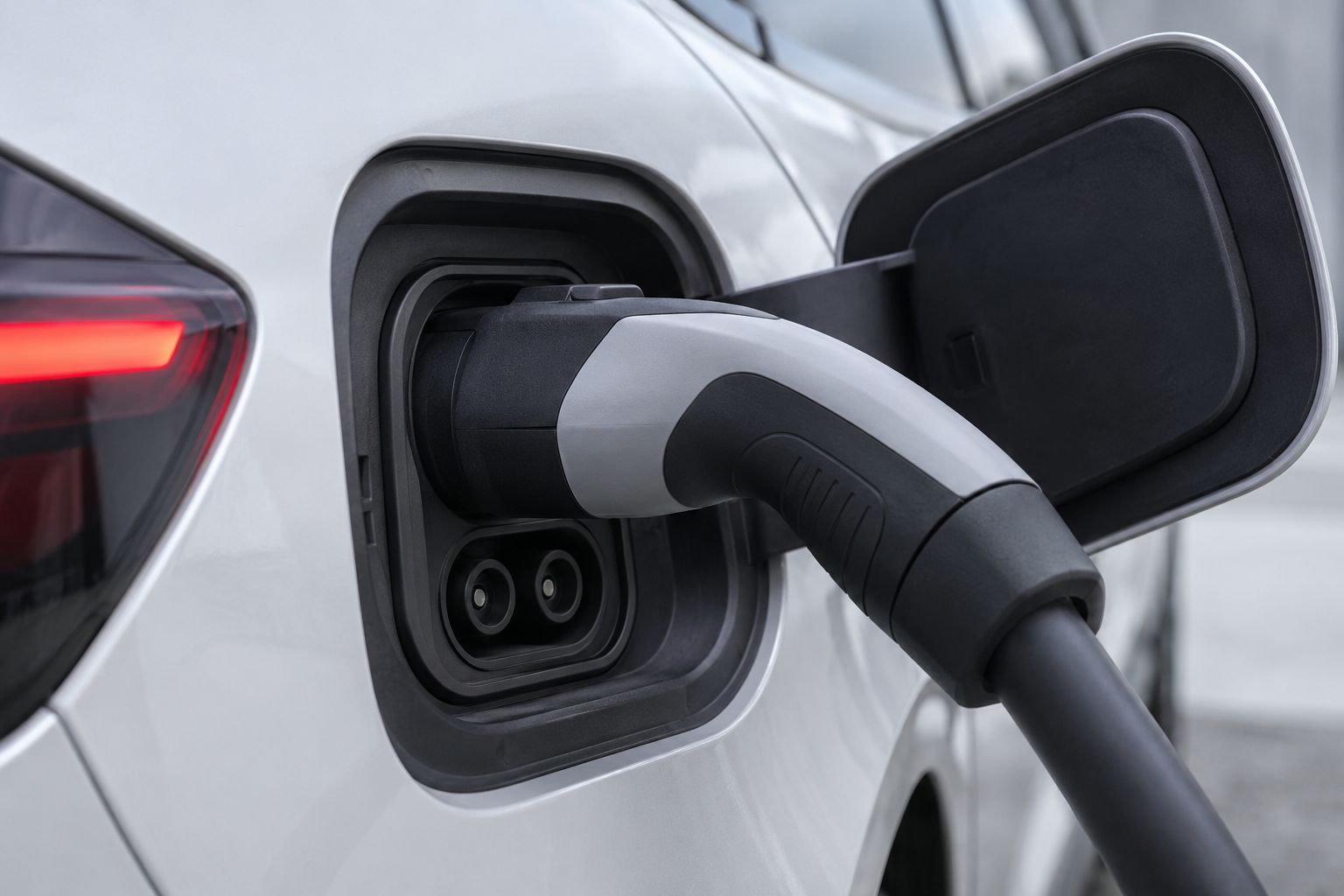
Check for your car: which side the charging port is on, how you park, and whether a tethered cable will reach comfortably. A three-pin "granny" cable is fine for occasional use, but plug it into a sound, dedicated socket and never into an extension lead.